Who we are
At Chilli Pepper Designs, we know how important it is for brands to have great imagery. A picture tells a thousand words, and this is especially true when marketing furniture in a competitive industry, as we know only too well!
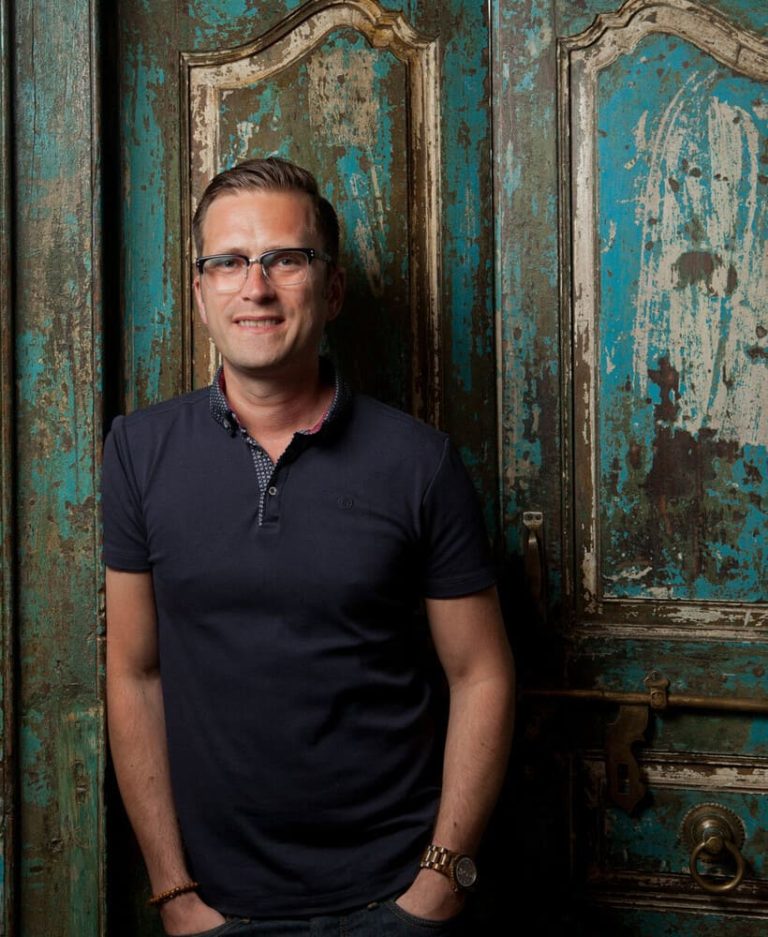
Founder of Chilli Pepper Designs
Chilli Pepper Designs’ founder and owner, Neil Buckley-Jensen, is an experienced furniture designer and manufacturer. Having witnessed first-hand the challenges of producing high-quality furniture photography in an economical and reliable way, Neil decided to establish Chilli Pepper Designs. His goal was to create realistic CGI that would enhance the marketing strategy for his furniture. Based on his own success, and combining his expertise in furniture design and visual merchandising, Neil began helping others benefit from CGI imagery, leading to the creation of our visualisation studio.
To get to know our company and a bit about us, who better to interrogate than Neil to share his story and the evolution of Chilli Pepper Designs!
When did you first encounter CGI in the furniture industry, and how did you go on to use it in your own business?
Approximately twelve years ago, when we started Little Tree Furniture, we hired a PR firm to help establish our brand and improve our market presence. One of the first things they highlighted was the importance of having strong, high-quality marketing imagery that could really showcase our furniture and help us stand out in a competitive industry. Because we lacked a professional image library at the time, they suggested using computer-generated imagery (CGI) as a solution.
However, at that stage, CGI was still relatively expensive and the quality often didn’t meet the standards we wanted for our brand. As a result, we decided to rely on traditional product photoshoots instead. While photography gave us the control and realism we needed, it was also incredibly time-consuming, costly, and often logistically challenging—especially when launching new collections or updating seasonal ranges.
Ten years later, during the initial lockdown, our parent company, Indesign Furniture, faced significant difficulties in obtaining photography due to social distancing restrictions and the inability to organise studio shoots. That challenge brought us back to the earlier conversations around CGI, and we began seriously exploring it again as a practical alternative.
Although technology had improved dramatically by then, we still found that many CGI providers were either too expensive, inconsistent in quality, or lacked an understanding of the furniture industry and our specific brand identity. We worked with several firms across different countries, but the process often involved delays, communication barriers, and too much hands-on management from our side to achieve the desired results.
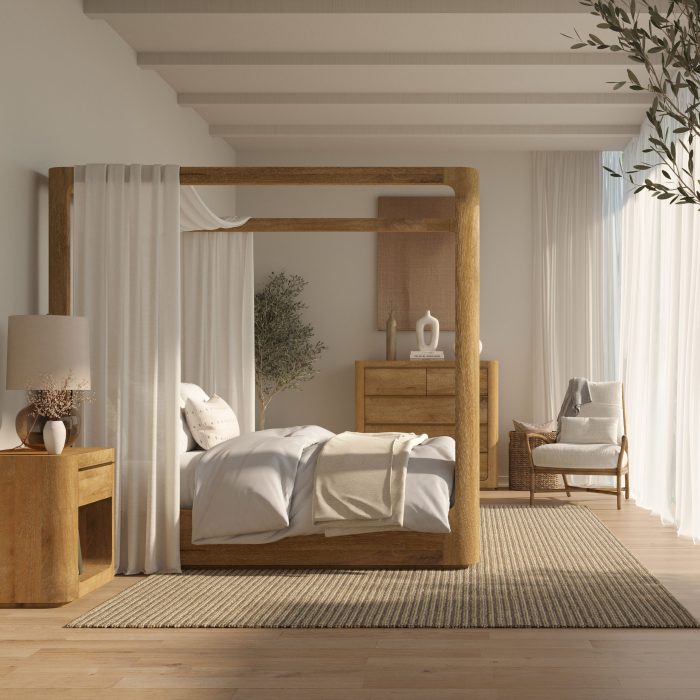
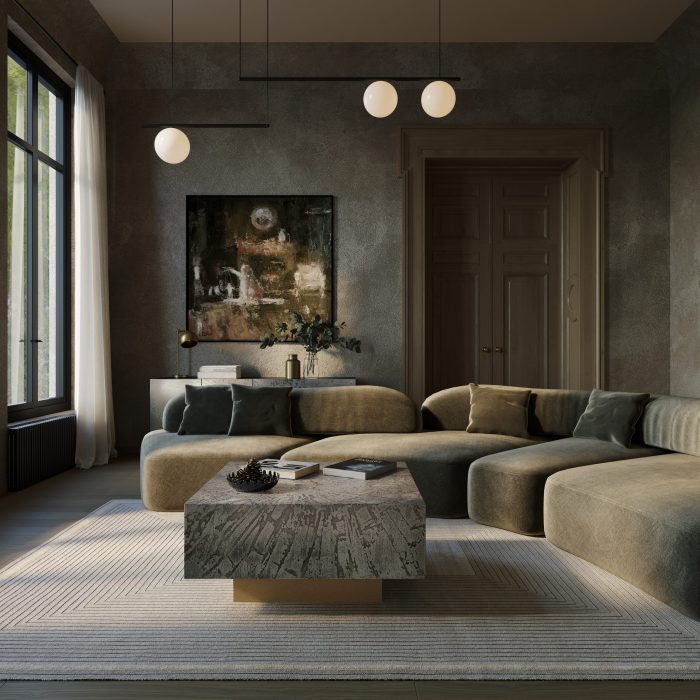
It became clear that there was a real gap in the market for a CGI service that combined high-quality visuals, affordability, and a genuine understanding of furniture design and branding. That realisation led me to start Chilli Pepper Designs, initially to fulfil our own CGI needs. Since then, we’ve been able to create superior imagery faster, at a significantly lower cost, and with far more flexibility than traditional photography—while also helping other furniture businesses achieve the same results.
What did setting up that service entail?
I had to quickly learn the technical side of developing CGI imagery, which meant understanding the software, hardware, workflows, and the level of detail needed to create truly realistic visuals. At the beginning, there was a steep learning curve—not just in choosing the right programs and equipment, but also in finding talented CGI artists who could bring our vision to life while understanding the standards required in the furniture industry.
I invested in the best PC and software available at the time and hired our first CGI artist. From there, we worked closely together, learning through trial and error and building the entire process from the ground up. This included everything from creating accurate 3D models and designing realistic room sets, to perfecting lighting, textures, materials, and final rendering so that each image looked as close to real-life photography as possible.
It involved countless late nights, constant problem-solving, and a lot of testing to get the results right. We were determined not just to replace traditional photography, but to create something even better—imagery that was faster, more flexible, and consistently high quality.
As our confidence and capabilities grew, so did the business. We expanded the team by hiring more CGI artists, interior designers, 3D modellers, and administrative support, allowing us to take on larger and more complex projects. Our hard work paid off quickly, and within just one year, Chilli Pepper Designs moved into larger offices three times to keep up with our rapid growth.
What started as a solution to fulfil our own imaging needs soon became a successful business in its own right. Today, we provide CGI imagery for some of the largest furniture brands in the world, helping them showcase their products in ways that are both visually powerful and commercially effective. I’m incredibly proud that what began as a necessity has grown into a company recognised for quality, creativity, and excellence across the industry.
Who were your first clients, and what did those projects look like?
From the client side, we knew exactly what we wanted: high-quality, realistic imagery that would help our distributors sell products confidently and professionally. From the Chilli Pepper Designs side, we had to learn and refine every step of the process needed to achieve that—from scoping projects and planning room layouts, to translating design concepts, building accurate 3D models, selecting the right finishes and textures, and ensuring the final presentation reflected the brand perfectly.
It became our own apprenticeship—a safe but demanding environment where we could test, improve, and perfect our systems. Because we were both the supplier and the customer, we were able to identify problems quickly and improve even faster. That hands-on experience helped us develop a workflow that was not only efficient but also tailored specifically to the furniture industry.
We became very good, very quickly. What started with just a couple of us soon grew into a dedicated CGI team of nine people. The images we created were supplied directly to our wholesalers, allowing them to market and sell products from containers before the physical goods had even landed in their country. They could launch brochures, websites, and sales campaigns using CGI visuals alone, dramatically speeding up the sales process.
That was the moment I truly recognised how powerful CGI could be—not just as an alternative to photography, but as a strategic sales and marketing tool that could transform the way furniture businesses launch, promote, and sell their products.
Is there anything you miss about traditional photography?
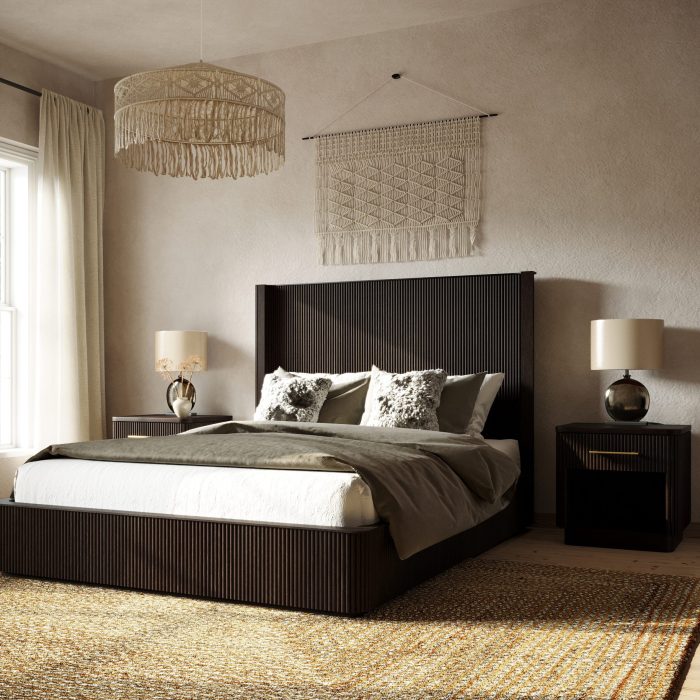
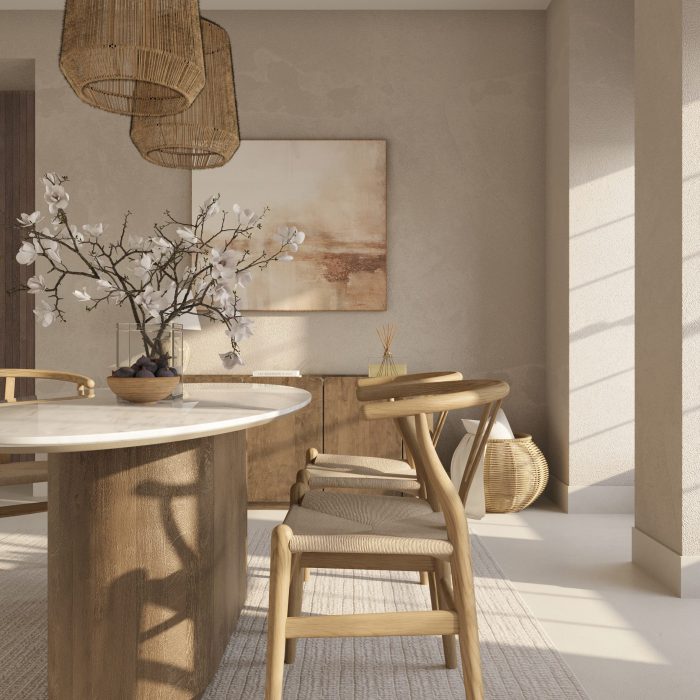
Absolutely not! Traditional photoshoots were incredibly expensive and required an extensive amount of time, planning, and coordination to execute properly. They involved everything from scouting the perfect location, booking studios, and organising talent, to coordinating a small army of people including stylists, art directors, and accessorising specialists. On top of that, there was the added cost and inconvenience of sourcing props and accessories that often had no use beyond a single shoot.
Logistically, it was a huge undertaking. We had to transport furniture to and from locations, which not only added significant cost but also introduced risks of damage in transit or during handling. There were also constant scheduling challenges—photographers, stylists, and locations were not always available when we needed them, which often caused delays in already tight product launch timelines.
If we were shooting on location, we were completely at the mercy of the weather. Living in the UK, that alone was a major challenge—carefully planned shoots could easily be disrupted or ruined by rain, wind, or lack of natural light, forcing expensive reshoots or compromises on quality. Even studio shoots, while more controlled, still required significant setup time and coordination to get everything just right.
The entire process was not only costly but also stressful and inefficient, especially when managing frequent product releases. Looking back, it felt like a constant balancing act between time, budget, and quality—and more often than not, one of those had to give. I certainly do not miss it at all, especially now that we can achieve far greater flexibility, consistency, and speed through CGI.
Chilli Pepper Designs may be a furniture-focused service, but are you at all inspired by how other sectors employ CGI?
Yes, I am deeply inspired by films, and Toy Story is a perfect example. It didn’t just entertain audiences—it fundamentally changed the film industry by introducing a new era of fully computer-generated storytelling. It was the first feature-length film of its kind, and it proved that CGI could be used not just as a supporting visual tool, but as a complete medium for emotional, character-driven storytelling.
What makes it so influential is how it combined humour, emotion, and technical innovation in a way that felt seamless and believable, even with the technology still in its early stages. Pixar Animation Studios set a new benchmark for creativity and storytelling, showing that technology and imagination could work together to create something entirely new and impactful that resonated with global audiences.
That same sense of innovation is very similar to what we see in architectural visualisation and CGI today. In the same way Toy Story brought animated worlds and characters to life, modern CGI allows us to create and explore architectural spaces that don’t physically exist yet. It transforms how we experience design, enabling clients and customers to walk through buildings, interiors, and environments before they are built, and to make more informed creative and commercial decisions as a result.
It also changes the way ideas are communicated. Instead of relying on technical drawings or imagination alone, CGI allows a shared visual language between designers, clients, and marketers, making complex concepts instantly understandable. This reduces uncertainty, speeds up decision-making, and improves collaboration across teams and industries.
Both mediums share the same core principle: they bridge the gap between imagination and reality. Whether it’s storytelling in film or visualisation in design, the power lies in using technology to expand creativity, communicate ideas more effectively, and bring concepts to life long before they exist in the physical world.

The five most common reasons why people won’t embrace CGI marketing are:
1. “CGI is too costly”
We used to do photoshoots, and what would end up costing around £6000-£8000 now costs a fraction of the price with CGI.
2. “CGI looks fake”
Ask us to forward our CGI portfolio. Pictures can’t lie!
3. “Traditional photoshoots are more authentic”
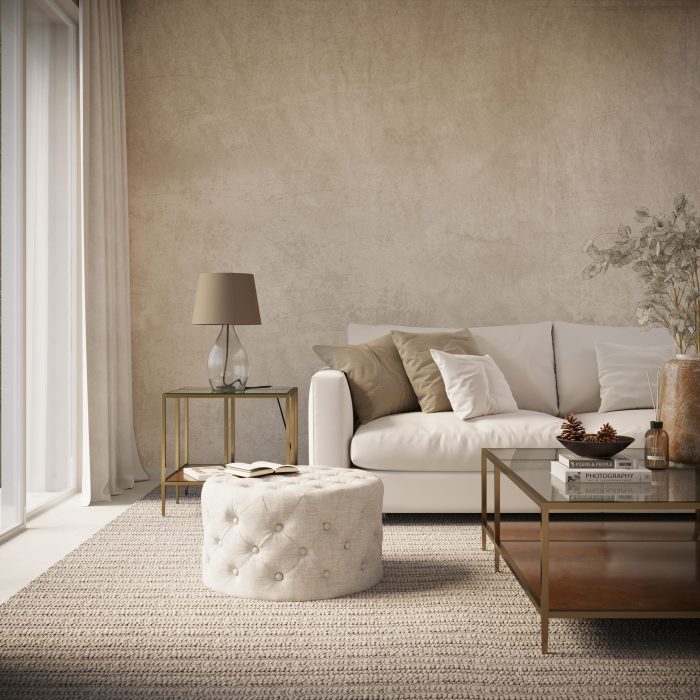
We make scenes based on whatever you want the CGI scene to be like. We even let you choose the camera angles!
4. “Traditional photoshoots are more tactile, and a nicer process to go through”
Not true. CGI eliminates the time and stress associated with product and lifestyle shots by creating imagery before the product is even made. This allows for more efficient, less stressful, and cheaper promotion of the product without leaving the office.
5. “CGI scenes can’t include accessories and furniture – it’s impossible to create full, real scenes”
We can model anything! We understand the need for a cohesive image to sell all products from a brand, creating a lifestyle and ensuring customers buy all items. Our roots in the furniture industry make us stand out.
How simple is the onboarding process at Chilli Pepper Designs?
It’s really simple. Most clients are initially sceptical about CGI because they don’t fully understand how it works or what the process involves. A big part of my role is taking the time to walk them through it properly—explaining the workflow, setting clear expectations, and making sure they understand exactly what we need from them to get started. In many cases, we’ll also run a small trial project so they can experience the process first-hand, build confidence, and see just how straightforward and efficient CGI can be compared to traditional methods.
Once clients see the results, they’re usually blown away by the quality and realism of what they receive. At the same time, they quickly realise how little input is actually required from them compared to a traditional photoshoot, and they can clearly see the time and cost savings involved. From product launches to full lifestyle room sets, the efficiency gains are often immediate and quite significant.
The reality is that modern CGI furniture and interior visualisation has reached a point where the quality is indistinguishable from photography in most cases, with the added benefit of being faster, more flexible, and far easier to manage. There really is very little reason not to explore it.
If you’ve never tried CGI for furniture visualisations—whether for products or lifestyle imagery—then I genuinely encourage you to do so. The combination of experience in both the furniture industry and the CGI world has shown me just how powerful it can be when the two work together. In most cases, clients end up wondering why they didn’t adopt it sooner. The CGI industry has moved on significantly, and when it comes to furniture visualisation, I believe we’re helping lead that shift.
Give it a try—you might be surprised at just how quickly it becomes an essential part of your marketing process.
Contact Neil or a team member to discuss your project or learn more about how we can help your business.
Our Specialities
Take a look at our projects. All of the artwork here has been developed and produced by our team. If you’d like us to tell your story, get in touch and tell us what you need.

Interior CGI
You can use interior design rendering to present a comprehensive display of any interior room or place with the use of interior design visualisation. The final design reflects products, colours, light, and space in our 3D hyperrealistic computer-generated imagery.

Furniture CGI
Draw attention to that striking dining table or cosy corner chair. Use product renderings of your furniture pieces or realistic lifestyle visualisations to set the scene. Change them with a range of materials and textiles.

Commercial CGI
Discover the possibilities of a brand-new commercial or industrial area with exquisitely portrayed property computer graphics. When creating your ideal place, don't skimp on anything. This includes designing offices, shops, kitchens, hotels, and industrial unit settings.

Exterior CGI
Explore ideas to frame your outdoor furniture, create a bespoke outdoor space, showcasing all your different products. You can use a wide range of designs and materials to create a complete mix of buildings, structures, and landscapes with our architectural idea rendering (70).
Trusted by some amazing brands









What Our Clients Say
What Our Clients Say
Chilli Pepper Designs is a rare type of company; one that listens carefully, understands and assimilates the brief, however complicated, and responds with creative ideas which can be developed into stunning images. The quality of their work is exceptional and they are a pleasure to work with too!
Simpler PR
Devonshire
It’s been so easy to work with Chilli Pepper. They are creative, understand the processes very well and listen to what we want, even when we don’t know ourselves! Not being overly creative ourselves when it comes to interiors, we relied heavily on Chilli Pepper for their skills, creativity, and interior designs. The results have been amazing.
We feel very proud of the lifestyle images and the CGI images that have given our products a completely fresh feel and style. This is important for modern-day retailing & the end-user customer experience.
HND
These guys are brimming with creativity. They made it easy to work through a mountain of models and sets taking the time to really listen to what we were looking to achieve and crate or amend accordingly.
KETTLE HOME
We recently collaborated with Chilli Pepper Designs to create digital images for several of our furniture items, and the results were fantastic. The imagery generated exceeded our expectations in quality and detail. Every one of our needs was met with professionalism and efficiency.
IFD (Indian Furniture Direct)
We at LH Home have been working with Chilli Pepper Designs for about two years, and are always extremely happy with the quality of our product renderings and marketing photos. Beyond product quality they are also a pleasure to work with. Their prompt responses and clear communication make organising our schedule a breeze. We appreciate them as a business partner and can’t recommend them enough!
LH Home
Hastings Sofa Company
Working with Chilli Pepper Designs has been transformative for our company’s sales and marketing growth. Before partnering with them, we were physically moving furniture around for our lifestyle content, which cost us unnecessary time and resources. Embracing CGI with CPD has revolutionized our approach. Their team has worked closely and collaboratively with ours to capture the perfect “look and feel”. They consistently exceed our expectations, demonstrating a genuine passion for their craft.