The furniture industry has always relied on photography to sell design. For decades, a well-styled room, the right lens, and careful lighting were enough to communicate quality, proportion, and aspiration. But as we move toward 2026, that model is starting to break down. Interior design is evolving faster than physical spaces, photography studios, and even showrooms can keep up with. Today’s most influential design trends are not static. They are atmospheric, modular, emotional, and often experimental. They exist somewhere between concept and reality—making them incredibly powerful, but extremely difficult to capture with a camera. For furniture retailers, manufacturers, and wholesalers, this shift changes how collections must be presented, approved, and sold. Increasingly, the most effective way to communicate design intent is not through photography at all, but through high-quality CGI and 3D visualization. Designing with Atmosphere, Not Fixtures One of the clearest trends shaping interiors in 2026 is the rise of atmosphere-led design. Lighting is no longer something added to a room; it is something that defines it. Interiors are being designed around glow rather than brightness, mood rather than visibility. Soft gradients, indirect illumination, and shadow-rich environments are becoming central to how spaces feel. These interiors are immersive and…
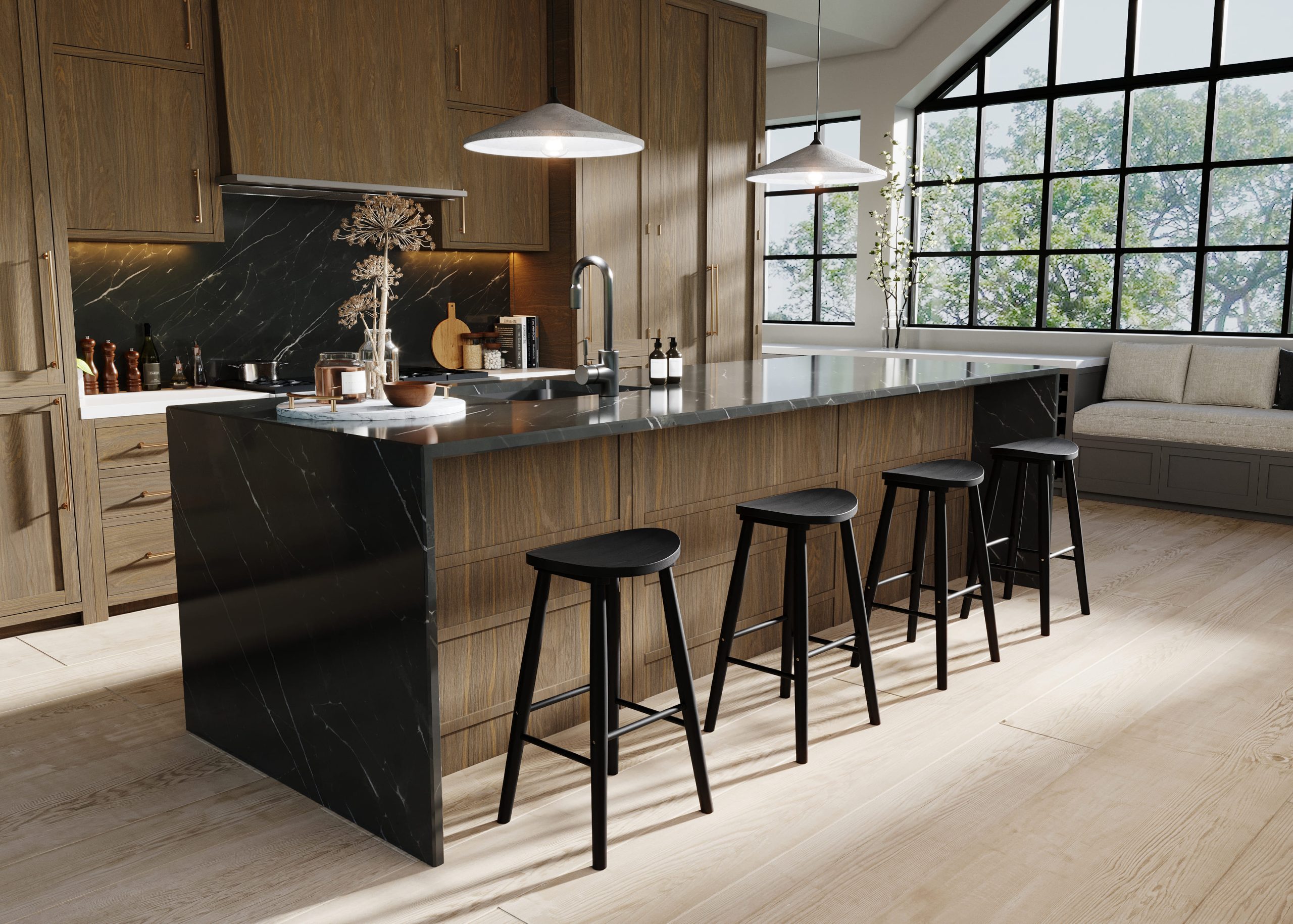
The furniture industry has always relied on photography to sell design. For decades, a well-styled room, the right lens, and careful lighting were enough to communicate quality, proportion, and aspiration. But as we move toward 2026, that model is starting to break down.
Interior design is evolving faster than physical spaces, photography studios, and even showrooms can keep up with. Today’s most influential design trends are not static. They are atmospheric, modular, emotional, and often experimental. They exist somewhere between concept and reality—making them incredibly powerful, but extremely difficult to capture with a camera.
For furniture retailers, manufacturers, and wholesalers, this shift changes how collections must be presented, approved, and sold. Increasingly, the most effective way to communicate design intent is not through photography at all, but through high-quality CGI and 3D visualization.
Designing with Atmosphere, Not Fixtures
One of the clearest trends shaping interiors in 2026 is the rise of atmosphere-led design. Lighting is no longer something added to a room; it is something that defines it. Interiors are being designed around glow rather than brightness, mood rather than visibility.
Soft gradients, indirect illumination, and shadow-rich environments are becoming central to how spaces feel. These interiors are immersive and emotional—but notoriously difficult to photograph. Cameras struggle with low-light balance, subtle tonal transitions, and depth. Even when photographed successfully, the result often represents just one frozen moment.
CGI removes this limitation entirely. Lighting can be designed with intent rather than compromise, adjusted endlessly, and tailored to different retail or brand narratives. The same sofa can be shown in a calm residential evening scene, a dramatic hospitality interior, or a daylight retail environment—all without reshooting or rebuilding a set. For wholesalers and manufacturers, this flexibility allows a single product to work across multiple markets and moods.
Playing with Scale Beyond Real Spaces
Furniture proportions are changing. In 2026, designers are leaning into boldness—deeper seating, thicker profiles, lower silhouettes, and sculptural forms that feel grounding and expressive. These pieces are designed to make an emotional impact, not simply fit neatly into a room.
The problem is that most real spaces—especially photography studios—are not built to accommodate these proportions. Oversized furniture often looks awkward when photographed in small rooms, distorting scale and confusing buyers. Retailers are left trying to explain intent through images that unintentionally undermine it.
CGI allows scale to be communicated clearly and confidently. Spaces can be designed specifically to suit the furniture, rather than the other way around. Camera angles can be chosen to explain comfort and proportion, not fight against them. For buyers and retail partners, this clarity reduces hesitation and helps oversized or unconventional designs feel intentional rather than risky.
Materials That Are Still Evolving
Material innovation is accelerating across the furniture industry. New finishes, layered surfaces, hybrid materials, and experimental textures are being developed faster than traditional sampling cycles can support. In many cases, materials are still evolving while collections are already being presented to buyers.
Photography depends on physical reality. If a material doesn’t yet exist—or exists only as a lab sample—it cannot be photographed convincingly. Even when samples are available, reflective, translucent, or high-contrast finishes are notoriously difficult to capture accurately.
CGI allows manufacturers and wholesalers to visualize materials before they are finalized. This makes it possible to present future collections earlier, gather feedback, and make informed decisions without committing to expensive tooling or samples. It also ensures visual consistency across catalogs, line sheets, and digital platforms—something photography often struggles to deliver at scale.
The Rise of Modular Living
Flexibility is no longer a bonus feature; it is an expectation. Modular sofas, reconfigurable storage, and adaptable furniture systems are central to how people live in 2026. Buyers want furniture that changes with them, and retailers want to show those possibilities clearly.
Photography simply cannot keep up with the number of configurations modular furniture requires. Photographing every option is cost-prohibitive and often impractical. As a result, many brands end up showing only one or two versions, leaving buyers to imagine the rest.
CGI turns this challenge into an advantage. A single 3D model can generate dozens of configurations, views, and contexts. Sales teams can tailor visuals to specific buyers, floorplans, or markets. For wholesalers and manufacturers, this not only reduces sampling and photography costs, but also strengthens buyer confidence by removing ambiguity.
Selling Emotion, Not Just Objects
Perhaps the most important shift heading into 2026 is emotional. Furniture is no longer being sold purely on function or price. It is being sold on how it makes people feel—calm, grounded, inspired, or expressive.
Traditional photography is excellent at documenting objects. It is less effective at communicating lived experience, especially in B2B contexts where collections must appeal to a wide range of retailers and end customers.
CGI allows brands to move beyond documentation and into storytelling. Interiors can be designed around a feeling rather than a floorplan. Furniture can be placed into aspirational, believable environments that communicate lifestyle and intent. This helps retailers sell value instead of discounts, and helps manufacturers position collections with clarity and confidence.
A New Standard for Furniture Visualization
As interior design becomes more conceptual and less constrained by physical limitations, the way furniture is presented must evolve with it. CGI is no longer just a marketing enhancement—it is becoming a core part of product development, buyer engagement, and sales strategy.
For furniture retailers, manufacturers, and wholesalers, the brands that succeed in 2026 will be the ones that can visualize ideas before they exist, communicate emotion before purchase, and adapt faster than traditional photography allows.
Many of the most important design trends of the coming year are impossible to photograph—not because they are unrealistic, but because they are fluid, layered, and still evolving.
That doesn’t mean they can’t be sold.
It simply means they need to be visualized differently.